How to Choose an Aroma Diffuser Factory Direct Supplier: 2025 B2B Sourcing Guide
With the fragrance economy booming, the aroma diffuser has moved far beyond simple humidification and become a key product extension for beauty, personal care and lifestyle brands. For global brands that need to move fast, finding a factory-direct aroma diffuser supplier with real R&D strength and stable delivery often decides both your margin and your market reputation. Yet hundreds of factories claim OEM/ODM support. How do you see through the marketing talk and pick a true partner based on capacity, quality control, certification and cost structure? Drawing on AAOEM's experience in personal-care manufacturing, this guide breaks down the full sourcing process.
1. Why a Factory-Direct Supplier Matters
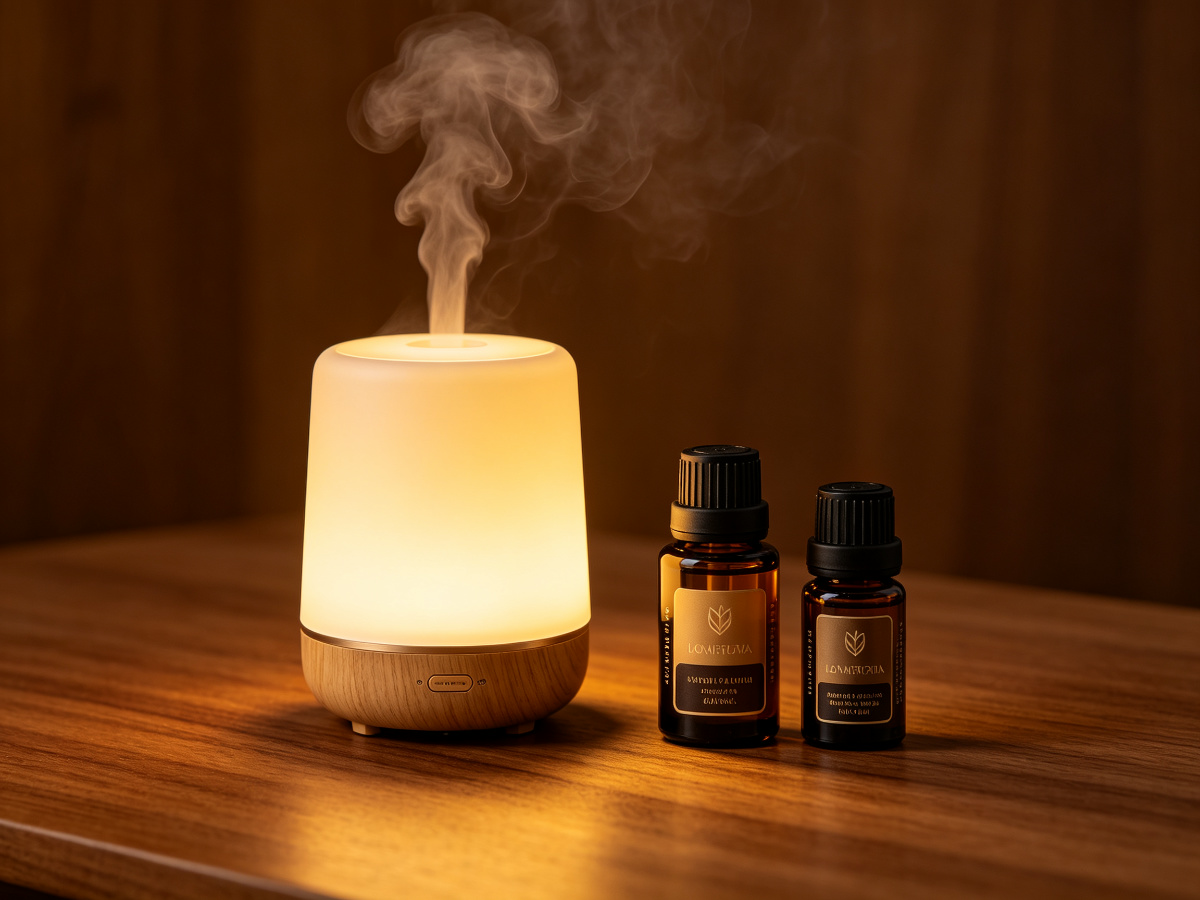
Buying from an aroma diffuser factory direct instead of a trading company or middleman pays off in cost control and communication efficiency. Direct means you talk to the factory's sales engineers and R&D team, skip layers of markup, and get first-hand information on material cost movements and production scheduling. In ODM projects, an in-house mold shop and injection-molding line significantly shorten tooling trial and modification cycles — direct factories typically deliver samples 7–15 days faster than traders.
But "factory-direct" does not automatically mean "high quality." Some small factories only run assembly lines and buy core parts (ultrasonic atomizer discs, control chips) from outside. Before confirming a partnership, always request a complete production flow chart and on-site video of the key processes.
2. Which Diffuser Factory Is Good? Four Hard Criteria
For the frequent question "which diffuser factory is good," we recommend comparing suppliers on four measurable dimensions rather than trusting sales promises.
1. Certification completeness (the safety baseline)
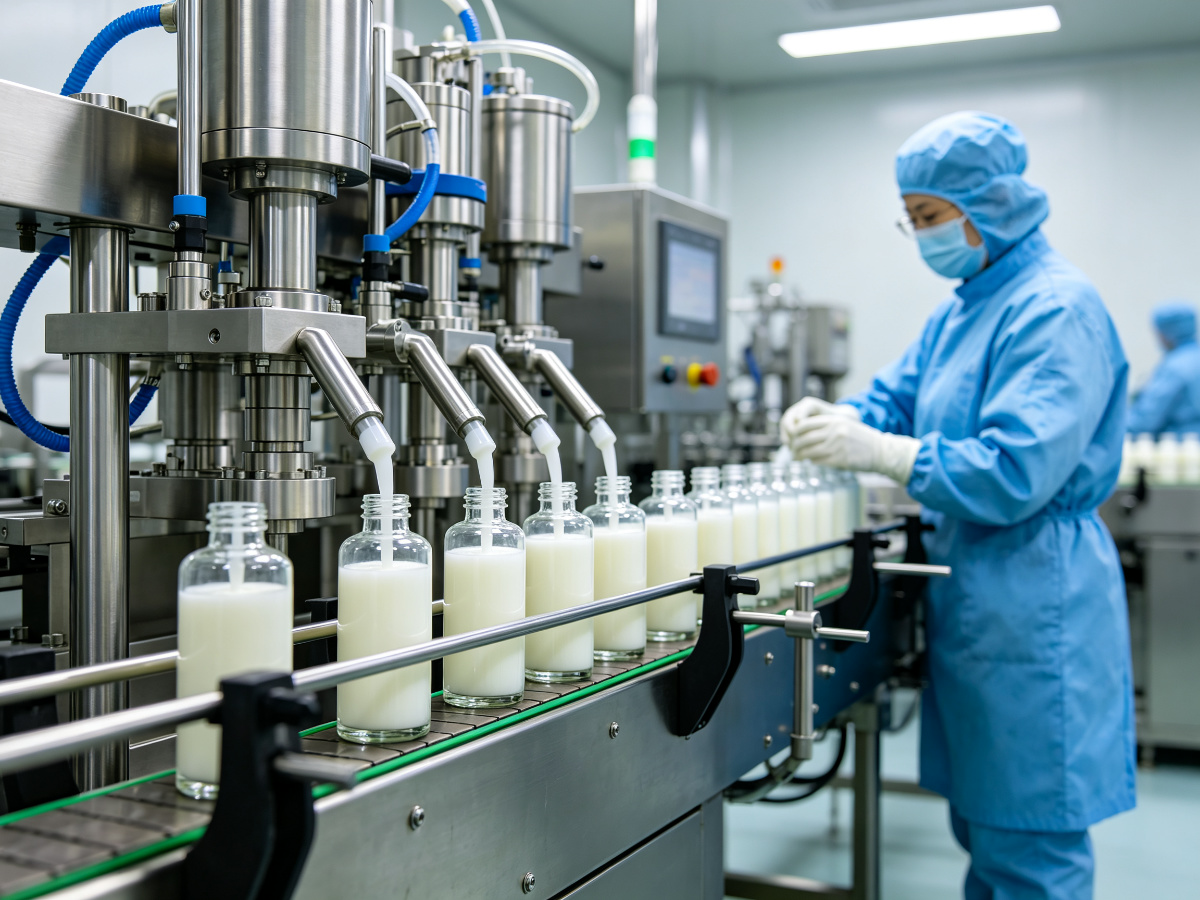
Exporting to the EU requires CE/RoHS; entering North America needs FCC and UL (for power adapters). If the product carries essential oils, check that materials meet food-contact standards such as LFGB or FDA. A serious diffuser manufacturer should hold at least ISO 9001. If the factory also holds ISO 22716 (GMP for cosmetics), its filling and hygiene environment meets beauty-grade standards — important if you later extend into fragrance liquid filling services.
2. R&D and mold capability (the ODM core)
For differentiated design or connected features, examine the factory's industrial-design team size and annual mold count. Smart diffusers with automatic essential-oil concentration sensing, Bluetooth speaker linking or app control demand serious firmware capability. Ask for ODM cases completed in the last six months and check patent holdings to avoid design-infringement risk.
3. Capacity and delivery (supply-chain resilience)
Standard lead time for a conventional ultrasonic diffuser is 25–35 days (including material procurement and assembly). If a factory promises under 20 days, be wary — it may simply hold large semi-finished inventories. Also clarify peak/off-peak capacity elasticity: good factories can raise monthly output from 50,000 to 80,000 units by adding lines during peak season. This matters most for brands launching in the Q4 holiday season.
4. Quality inspection (defect-rate control)
A professional aroma diffuser factory direct service runs three gates: incoming quality control (IQC), in-process quality control (IPQC) and outgoing quality control (OQC). Pay special attention to finished-goods noise testing (below 30 dB) and continuous atomization life testing (typically 300+ hours without failure). Ask for the factory's pass-rate data from the last three months of outgoing inspections; the industry average should be above 98.5%.
3. How Much Does Diffuser Customization Cost?
Customization cost is built from three parts. Buyers must separate them clearly to avoid being misled by vague quotes.
- Mold fee (one-time): simple modifications to an existing mold cost about 8,000–20,000 RMB; a completely new mold (including appearance and structure) usually runs 50,000–150,000 RMB depending on cavity complexity and undercut design. Mold fees can often be partially rebated or amortized against follow-up mass orders.
- Sample and testing fees: a regular sample costs 200–500 RMB per unit. Waterproof (IPX4) or drop tests via third-party labs are billed separately, roughly 1,500–3,000 RMB per item.
- Unit manufacturing cost (BOM): a basic model (plastic shell + standard atomization module) has an ex-factory price of about 25–45 RMB. With a glass shell, wooden base or lithium-battery mobile power, the price rises to 60–120 RMB. Packaging cartons and manual design/printing typically add 8%–12% to unit cost.
MOQ directly affects unit price. Most factories set 500–1,000 units for private label on existing molds, while custom new molds usually require 3,000–5,000 units. If your first order is small, negotiate using the factory's existing private molds with color or logo tweaks — this can cut trial cost by more than 30%.
4. How to Choose a Diffuser OEM Factory: Four Common Mistakes
Mistake 1: A perfect sample means stable mass production
Prototype units are assembled by senior engineers; mass production runs on line workers. Ask for a fragment of the SOP and the frequency of worker training. If possible, run a 10–20 unit pilot batch and confirm yield before paying the mass-production deposit.
Mistake 2: Chasing the lowest price while ignoring after-sales terms
When a quote is 15%+ below market average, suspect recycled materials or downgraded atomizer discs. The contract must state the warranty period (usually 12 months), an acceptable defect-rate standard (industry practice: within 3%), and compensation beyond that — for example, 2% free spare units.
Mistake 3: Ignoring regional differences in certification
Some factories only hold China CCC certification, which cannot be used directly for export clearance. Before ordering, confirm the mandatory certification requirements for humidifiers/diffusers in your target country, and ask the factory to commit in the contract appendix that "certifications are genuine, valid and consistent with the shipped products."
Mistake 4: Treating diffuser OEM as simple assembly
Premium diffusers often involve essential-oil ratio recommendations and wick-replacement structure design. Strong ODM factories (like AAOEM) also offer matching plant-based essential oil formula development and third-party safety testing, enabling one-stop procurement of machine and consumables — far better for scent diffusion consistency than sourcing separately.
5. 10 Key Questions to Ask Before Partnering
- What is your monthly capacity, and which brand's products is your main line currently producing?
- How long does a new mold take? Does that include prototype confirmation time?
- Do you make the ultrasonic atomizer disc in-house or buy it out? If bought, what brand and lead time?
- Can you provide FDA or LFGB test reports for shell plastic and water-tank materials?
- Do power adapters have separate safety certifications for the US 120V and EU 220V markets?
- Are the essential-oil chamber and water chamber fully separated? How is electronic corrosion prevented?
- Is noise testing done in an anechoic chamber or a normal workshop? What is the data standard?
- If the first batch exceeds 3% defects, how are returns and costs handled?
- Do you support mixed loading (different colors or logos in one container) to cut logistics cost?
- Can you help prepare SDS (Safety Data Sheet) documents required by e-commerce platforms such as Amazon?
6. Trend Watch: Three 2025 Technology Tracks in Diffuser Customization
1. Cold-mist and heated dual-mode switching
New-generation diffusers support both ambient cold mist (preserving essential-oil actives) and constant-temperature heating (accelerating scent diffusion). This requires NTC temperature-sensing probes and thick-film heating-element integration — currently only about 20% of leading factories master the process.
2. Smart IoT and consumable management
Checking essential-oil levels in a phone app and auto-pushing purchase links has become mainstream in premium customization. The factory needs mature Wi-Fi/Bluetooth module solutions and open APIs so your brand can integrate its own membership system later.
3. Eco materials and biodegradable packaging
New EU rules raise recyclability requirements for electronics. Diffusers with PCR (post-consumer recycled) plastic or bamboo-fiber shells cost 8–12% more per unit but earn a green-brand premium in Europe and the US. Confirm whether the factory holds GRS (Global Recycled Standard) certification.
7. Conclusion: From "Finding a Factory" to "Long-Term Win-Win"
Screening a reliable aroma diffuser factory direct supplier is essentially a two-way evaluation of trust and professionalism. Do not stare only at unit price — include R&D collaboration, quality stability and after-sales response in a composite score. We recommend a "small trial order → mid-term review → annual framework agreement" strategy, letting data rather than intuition drive decisions.
As a manufacturer focused on personal care and fragrance OEM, AAOEM always advises clients to define product positioning and target certification markets at the very start. If you are looking for a partner that seamlessly connects factory-direct diffuser production with custom essential-oil formulas, reach out through our Contact Us page for a one-on-one evaluation. You can also explore deeper analysis on packaging selection and global compliance in the Knowledge Center. Return to the Home page to see more beauty and personal-care manufacturing solutions. Choosing your diffuser OEM factory is, in the end, a vote for your brand's long-term reputation.
Ready to Start Your AAOEM Project?
Get a free quote within 24 hours. Low MOQ, global shipping, ISO 22716 certified.
Get Free Quote