How to Choose a Cost-Effective Aroma Diffuser: 2026 OEM/ODM Selection Guide
As a brand owner or purchasing manager facing a market full of diffusers, you may be asking how to choose a cost-effective aroma diffuser. Value is not simply a low price — it is a balance of total lifecycle cost and product value. In 2026, with the global scent market still growing, choosing a reliable OEM/ODM partner matters. This article provides a complete selection framework covering technology, cost structure, certification and supplier negotiation. Whether you browse technical materials in the Knowledge Center or Contact Us for a quotation, this guide will help you decide wisely.
1. Define Your Needs: Which Diffuser Does Your Brand Require?
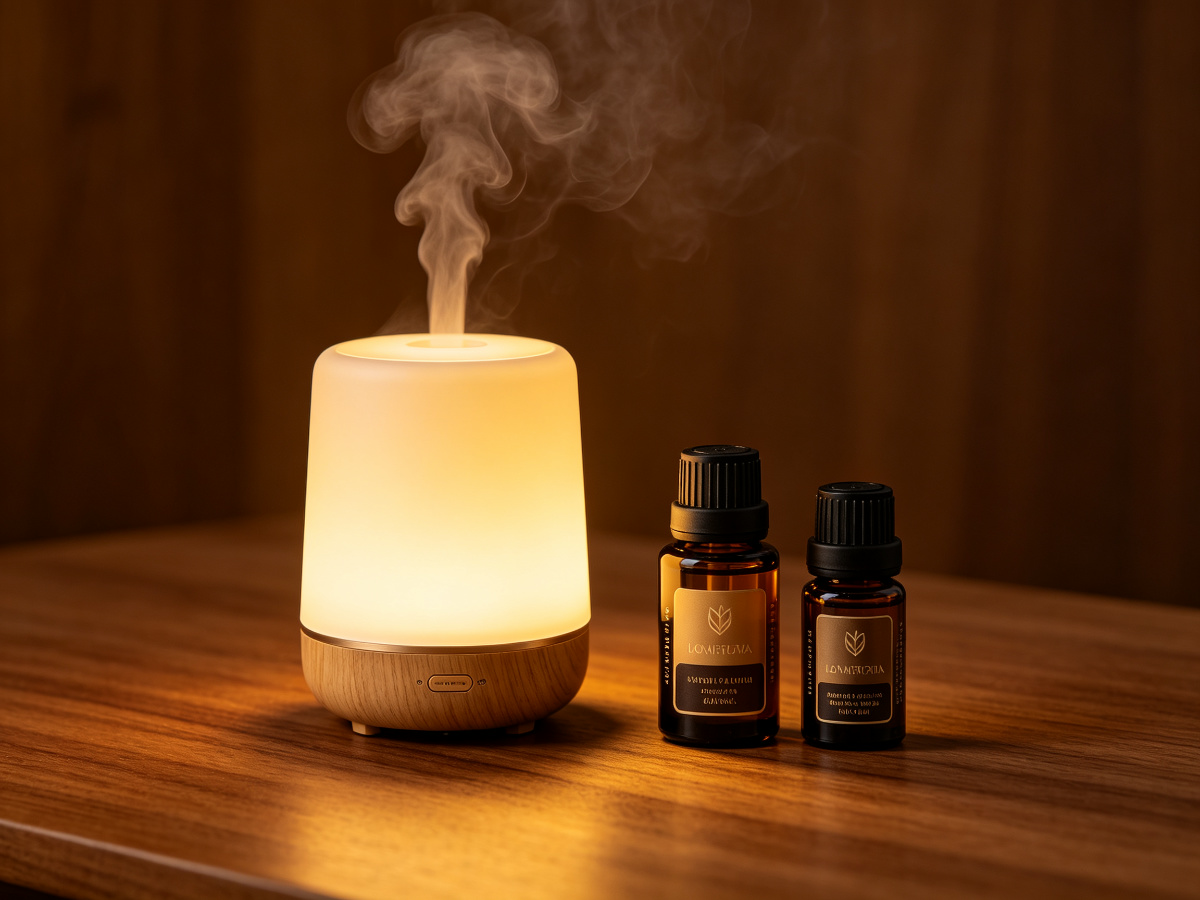
Before discussing value, clarify product positioning. Diffusers mainly split into ultrasonic, heated, atomizing (cold-mist) and aroma-stone types. Different technologies mean different cost and market fit.
1.1 Ultrasonic vs Heated: Which Is Better?
Ultrasonic diffusers use high-frequency vibration to atomize water and oil, preserving active oil components; they suit homes and commercial spaces, cost less, but need regular cleaning and decent water quality. Heated diffusers evaporate oil by heat — no water needed, but high temperature may damage some components; they suit heat-tolerant scents. On value, ultrasonic fits the mass market; heated suits premium or specific scenarios. If your target market is Europe or America, ultrasonic models are easier to place thanks to mature CE and RoHS certification.
1.2 Atomizing Diffusers: The First Choice for Commercial Scenting
Atomizing (cold-mist) technology uses compressed air to mist pure essential oil — no water, large coverage, often used in hotels and malls. Unit price is higher, but durability and low maintenance compensate. For hotel clients, you may also need flameless options such as a custom reed diffuser supplier.
2. Five Key Factors That Determine Value
A high-value diffuser balances performance, cost, compliance, service and sustainability. The following directly affect your margins.
2.1 Core part costs
- Atomizer disc: domestic vs imported can differ by 30%, with life from 1,000 to 5,000 hours. High-frequency discs cost more but mist finer — suitable for premium brands.
- Motor/fan: the key to noise. Quality brushless motors can stay below 30dB; ordinary motors may reach 45dB.
- Shell material: ABS plastic is economical; ceramic, glass or metal lift the premium feel, ideal for gift channels.
- PCB control board: timer, dimming and low-water protection add cost but reduce after-sales issues.
2.2 MOQ and mold fees
OEM/ODM orders usually carry MOQ requirements. Public-mold products can start at 500–1,000 units; private-mold customization usually requires 3,000–5,000 units, with mold fees from USD 5,000 to 30,000. To spread cost, choose a public mold with custom logo/packaging, or develop an exclusive appearance with AAOEM.
2.3 Certification and compliance
Export destinations decide certification needs:
| Market | Certification | Typical cost (USD) |
|---|---|---|
| EU | CE, RoHS, EMC | 2,000–5,000 |
| US | FCC, UL (optional) | 3,000–8,000 |
| Japan | PSE | 2,500–6,000 |
| Global | ISO 22716, GMP | Factory audit required |
Choosing a factory already certified to ISO 22716 and GMP saves repeated audit cost. AAOEM holds these certifications and can assist with FDA registration.
2.4 Noise control: What if the diffuser is too loud?
Noise is a top source of complaints. If your diffuser is too loud, address it by:
- Requiring a noise test report from the supplier (should be below 35dB).
- Choosing internal structures with shock-absorbing design.
- Using high-quality brushless motors.
- Optimizing the airflow path to reduce turbulence.
When communicating with suppliers, define noise standards and agree acceptance criteria in the contract.
2.5 Oil compatibility and set private labeling
Diffusers are often sold with essential oils. If you plan oil sets, ensure the machine materials resist corrosion (PP, glass). Some low-end machines use poor plastic that cracks with prolonged oil contact. Choosing an OEM that also offers oil private labeling lets you source one-stop, lowering logistics and management costs.
3. How to Screen High-Value Suppliers
3.1 Assess factory capability
Check whether the supplier has complete design, tooling, injection and assembly capability. AAOEM, a Chinese cosmetics OEM/ODM manufacturer, provides private-label services from diffusers to essential oils. See our About page for production lines.
3.2 Request samples and test
Sample testing should cover mist output, noise, run time, cleaning convenience and oil residue. Test 2–3 suppliers side by side for value.
3.3 Review certification documents
Ask for ISO 22716, GMP, CE and RoHS certificates and verify validity. For FDA registration, confirm the factory holds an FDA registration number.
3.4 Negotiate price and lead time
In 2026, diffuser OEM unit prices: ultrasonic basic 3–8 USD, mid-to-high 8–15 USD, atomizing commercial 20–50 USD. Lead time is usually 30–45 days, longer in peak season. In the contract, define MOQ, payment terms and warranty (at least 1 year).
4. Common Mistakes and Avoidance Guide
- Price only, ignoring after-sales cost: low-price units fail more; returns and bad reviews cost more.
- Ignoring certification: uncertified products can be detained at customs, causing major losses.
- Chasing private molds blindly: heavy investment; if sales disappoint, per-unit amortization is high.
- Overlooking packaging and logistics: diffusers with liquid (bundled oil) must comply with transport regulations.
If you still wonder which diffuser brand has good quality, refer to Aroma Diffuser Supplier 2026 for more evaluation methods.
5. Key Questions to Ask Suppliers
- Is your factory certified to ISO 22716 and GMP?
- What is the atomizer disc lifetime in hours for ultrasonic models?
- What is the noise level? Can you provide a test report?
- What is the MOQ? Do you support mixed batches?
- How are mold and sample fees calculated?
- What is the lead time? Do you support FOB/CIF?
- Do you provide oil private labeling and set assembly?
- What is the warranty period? What is your after-sales policy?
You can also visit the FAQ page for common questions. For custom needs, Contact Us for a one-on-one proposal.
6. Conclusion: How to Choose a Cost-Effective Aroma Diffuser
In summary, how to choose a cost-effective aroma diffuser depends on your market positioning, order scale and long-term strategy. Prioritize suppliers with mature technology, complete certification and flexible customization, and weigh unit price, MOQ, lead time and after-sales together. For the home market, ultrasonic is the value pick; for commercial scenting, atomizing models last longer. Either way, partnering with a professional OEM/ODM player like AAOEM helps you optimize cost and get to market fast. Visit the Home page for more, or browse the Knowledge Center for deep industry insight.
Need a product catalog, quotation or samples? Contact us
Contact: SIGE
Email: 27005046@qq.com
WhatsApp / WeChat: +86 15622220825
Website: aaoem.com | Main site: www.8OEM.com