How to Choose a Reliable Essential Oil Diffuser Manufacturer for Your Brand in 2026
Selecting the right essential oil diffuser manufacturer is a critical decision for any cosmetics brand owner or procurement manager looking to expand into the home fragrance market. With the global aroma diffuser market projected to grow steadily through 2026, having a reliable manufacturing partner can make or break your product line. This guide will walk you through the essential factors, from understanding diffuser types to evaluating certifications and negotiating MOQs, so you can make an informed choice.
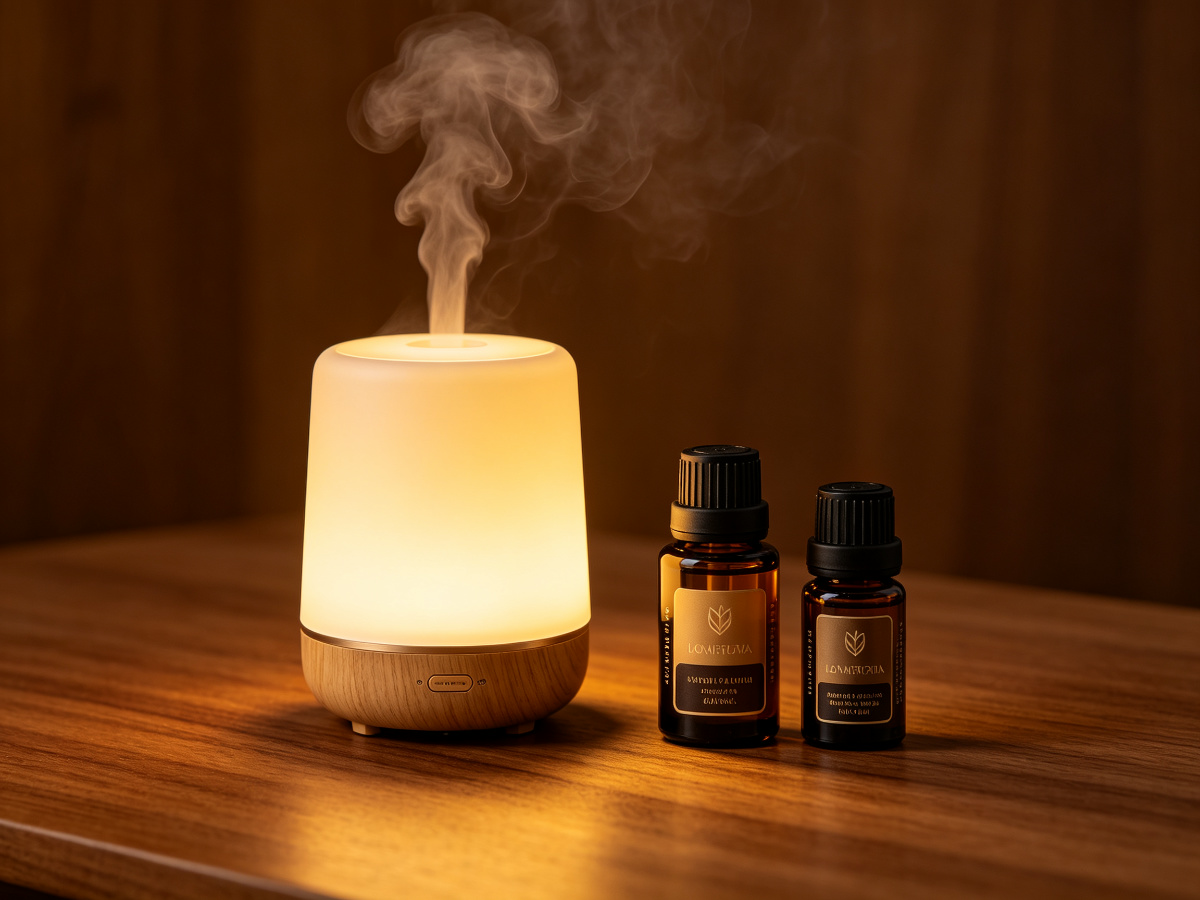
At aaoem, we specialize in OEM/ODM manufacturing for cosmetics and personal care, including aroma diffusers. Our Knowledge Center offers additional resources to help you navigate the sourcing process.
Types of Aroma Diffusers and How to Choose for Your Brand
Before approaching a manufacturer, you need to know which type of diffuser fits your brand and target market. The three main categories are ultrasonic, nebulizing, and heat-based diffusers. Each has distinct advantages and production considerations.
- Ultrasonic Diffusers: These use high-frequency vibrations to create a fine mist. They are the most popular for home use due to their quiet operation and ability to double as humidifiers. They are ideal for mass-market brands. A common question from buyers is can essential oils be added?—yes, but only water-soluble oils or special blends to avoid damage.
- Nebulizing Diffusers: These use an air pump to atomize essential oils without water or heat, preserving the oil's therapeutic properties. They are favored in commercial settings like hotels and spas. However, they are noisier and require more maintenance.
- Heat-Based Diffusers: These use gentle heat to evaporate oils. They are less common due to potential alteration of oil composition, but are simple and cost-effective.
When choosing, consider your target market's preferences. For instance, if you're targeting the hotel industry, nebulizing diffusers with large coverage are essential. A key spec is what room size is suitable?—typically, ultrasonic diffusers cover 200-400 sq ft, while nebulizing models can cover 800-1000 sq ft. Your manufacturer should provide coverage data and help you select the right model.
Aroma Diffuser OEM Process: Design, Molding, Certification
Working with an OEM/ODM manufacturer involves several stages. Understanding the process helps you set realistic timelines and budgets.
- Design and Prototyping: Share your concept or choose from existing designs. ODM manufacturers like aaoem offer ready-to-brand models, while OEM requires custom molds. Prototyping takes 2-4 weeks and costs $500-$2,000 depending on complexity.
- Molding and Tooling: Custom molds for plastic parts cost $3,000-$10,000 and take 4-6 weeks. This is a significant investment, so ensure your order volume justifies it.
- Certification and Compliance: Essential oil diffusers must meet safety and quality standards. Key certifications include CE, RoHS, FCC for electronics, and ISO 22716 for cosmetics-related manufacturing. If you plan to sell in the US, FDA registration may be required for certain claims. Your manufacturer should handle these or guide you through the process.
- Production and Quality Control: Once tooling is ready, production begins. Typical lead times are 30-45 days after deposit. Ensure the factory has a robust QC process, including functional testing and aging tests.
For a deeper dive into the OEM/ODM process, refer to our guide Aroma Diffuser Not Misting? 2026 B2B Troubleshooting.

Ultrasonic vs. Nebulizing Diffusers: Which Fits Your Market?
Choosing between ultrasonic and nebulizing diffusers depends on your target audience and use case. Ultrasonic diffusers are best for home consumers who value aesthetics, quietness, and affordability. They are also easier to private label because the technology is mature and components are widely available. Nebulizing diffusers, on the other hand, are preferred by commercial clients such as hotels, offices, and spas because they deliver pure essential oil without dilution and cover larger areas. However, they are more expensive and require more frequent cleaning.
If you're targeting the hotel industry, consider that many hotels ask does it emit radiation? is it safe?. Ultrasonic diffusers emit no harmful radiation and are safe for continuous use. Nebulizers use an air pump, which produces minimal EMF but is still safe. Your manufacturer should provide safety documentation to reassure clients.
For more on ODM options, see our article aroma diffuser ODM: полное руководство п.
Essential Oil Pairing and Private Label Diffuser Kits
To differentiate your brand, consider offering private label diffuser kits that include a diffuser and a set of essential oils. This adds value and increases average order value. When selecting oils, ensure they are compatible with the diffuser type. For ultrasonic diffusers, use water-soluble oils or special blends; for nebulizers, use pure essential oils. Your manufacturer can help source oils and design packaging.
Common oil pairings include lavender for relaxation, citrus for energy, and eucalyptus for respiratory support. These can be marketed as part of a wellness line. Ensure your manufacturer follows ISO 22716 and GMP guidelines for cosmetic products if you're blending oils.
Common Mistakes to Avoid When Selecting a Manufacturer
Many buyers make avoidable mistakes that lead to delays and extra costs. Here are the top pitfalls:
- Ignoring MOQs: Most manufacturers require a minimum order quantity (MOQ) of 500-1,000 units for OEM and 100-500 for ODM. Be clear about your volume to avoid surprises.
- Overlooking Certifications: Ensure the factory has the necessary certifications for your target market. For example, CE for Europe, FCC for the US, and RoHS for environmental compliance.
- Not Asking About After-Sales Support: A good manufacturer provides technical support and spare parts. Ask about warranty terms and repair services.
- Underestimating Cleaning and Maintenance: Diffusers require regular cleaning. Buyers often ask how to clean and maintain?. Your manufacturer should provide clear instructions to reduce returns.
- Noise Issues: Ultrasonic diffusers are generally quiet, but some models can be noisy. Address this in your specifications. For tips, see Aroma Diffuser Too Loud? 2026 B2B Noise Guide.
Questions to Ask Potential Suppliers
When vetting an essential oil diffuser manufacturer, ask these questions to gauge their reliability and capability:
- What are your MOQs for OEM and ODM projects?
- What certifications do your products hold? Can you provide test reports?
- What is your typical lead time for production and shipping?
- Do you offer design and prototyping services? What are the costs?
- What is your quality control process? Do you perform aging tests?
- Can you provide references from other clients in the cosmetics or hotel industry?
- What after-sales support do you offer?
For a comprehensive checklist, visit our Contact Us page to speak with our team.
Conclusion
Choosing the right essential oil diffuser manufacturer is a strategic decision that impacts your product quality, brand reputation, and profitability. By understanding the different diffuser types, the OEM/ODM process, and the key questions to ask, you can select a partner that aligns with your business goals. Remember to consider certifications, MOQs, and after-sales support. With the right manufacturer, you can launch a successful line of aroma diffusers that delights your customers and drives growth in 2026 and beyond.
For more insights on sourcing from China, explore our guide Как выбрать аромадиффузорную фабрику для.
For product catalog, quotation, or sampling, please contact us
Contact: SIGE
Email: 27005046@qq.com
WhatsApp / WeChat: +86 15622220825
Website: aaoem.com | Main site: www.8OEM.com