How to Find a Recommended Aroma Diffuser Factory for Custom Designs in 2026
Finding a recommended aroma diffuser factory for custom designs is critical for brand owners and procurement managers launching or expanding a scent diffuser line. With the global aroma diffuser market projected to grow steadily through 2026, sourcing from a reliable OEM/ODM partner ensures product quality, compliance, and on-time delivery. This guide walks you through the key factors, selection criteria, common pitfalls, and essential questions to ask suppliers, helping you secure a factory that aligns with your brand vision and market demands.
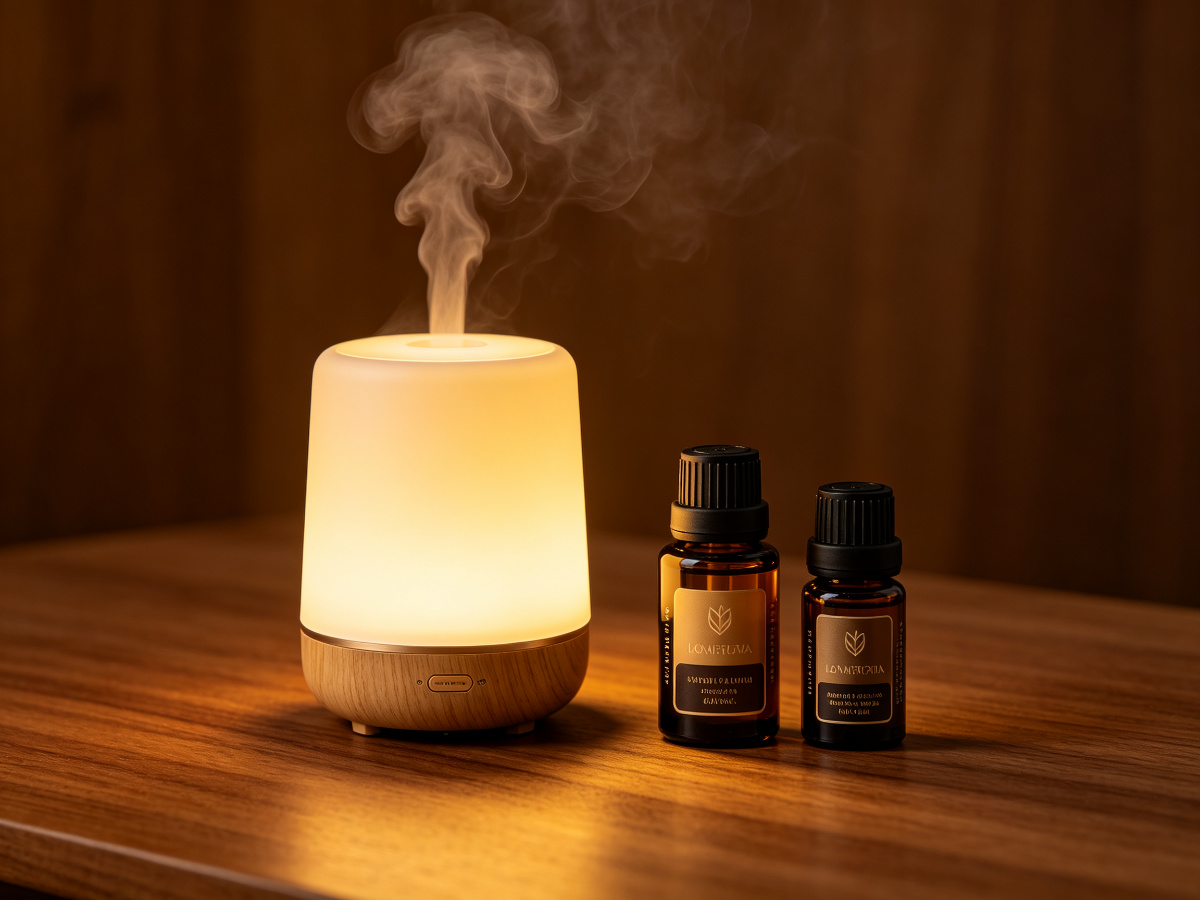
Key Factors When Evaluating an Aroma Diffuser Factory
Before shortlisting suppliers, understand the critical factors that impact product success and operational efficiency.
1. Customization Capabilities
A recommended aroma diffuser factory for custom designs must offer full OEM/ODM services: from industrial design and mold making to branding and packaging. Look for factories that provide:
- Design support: In-house designers or partnerships to create unique shapes, colors, and finishes.
- Mold development: Ability to produce custom molds for plastic or ceramic housings, typically with lead times of 15–30 days and costs ranging from $3,000 to $15,000 depending on complexity.
- Branding options: Logo printing, laser engraving, custom packaging, and private label essential oil kits.
Factories in China’s Guangdong and Zhejiang provinces are known for robust customization ecosystems and can be found through platforms like aaoem’s Knowledge Center.
2. Certifications and Compliance
Product safety and market access hinge on certifications. At minimum, your factory should hold ISO 22716 (Good Manufacturing Practices for cosmetics) and GMP for any essential oil blending. For electronic diffusers, FCC certification is mandatory for the US market; for the EU, CE marking is required. If you plan to sell on Amazon or other marketplaces, additional documentation like RoHS and REACH may be needed. Always verify certificates directly with the issuing body and ensure they cover the specific product model.
3. MOQ and Lead Times
MOQs vary widely: custom-designed ultrasonic diffusers often start at 500–1,000 units, while nebulizing diffusers may have MOQs of 300–500 units (stock packaging). Lead times for custom orders typically range from 30 to 60 days after design approval, excluding mold fabrication. Factor in shipping time (20–40 days by sea) and buffer for quality inspections. Established factories can offer flexible MOQs for first orders but expect higher unit costs.
4. Quality Control and Testing
Request the factory’s QC process: incoming material inspection, in-line checks, and final random inspection (AQL 2.5). Ask for test reports on motor lifespan, ultrasonic plate durability, and leak tests. For essential oil diffusers, ensure compatibility testing with various oil viscosities to prevent clogging.

5. Pricing Structure
Pricing depends on materials, technology (ultrasonic vs. nebulizing), features (timers, LED lights, app control), and order volume. Ultrasonic diffusers typically range from $8 to $25 FOB per unit, while nebulizing models cost $20–$60. Custom molds and certifications add upfront costs. Obtain detailed quotations that break down tooling, unit price, packaging, and certification fees.
How to Choose the Right Aroma Diffuser Factory
With key factors in mind, follow a structured approach to identify a recommended aroma diffuser factory for custom designs.
Step 1: Define Your Product Requirements
Clarify the diffuser type (ultrasonic, nebulizing, heat, or evaporative), target market (home, hotel, commercial), and features. For hotel and commercial scenting, nebulizing diffusers with high output and HVAC integration are preferred. For retail, ultrasonic diffusers with aesthetic designs and essential oil kits sell well. Document specifications including capacity, coverage area, power source, and materials.
Step 2: Source and Shortlist Suppliers
Use B2B platforms (Alibaba, Global Sources), industry trade shows (Canton Fair, Cosmoprof), and referrals. Filter for factories with verified certifications, export experience, and positive client reviews. Check their website for case studies and client logos. aaoem, a China-based OEM/ODM manufacturer, offers private label services for cosmetics and personal care, including aroma diffusers; you can explore their capabilities via Home.
Step 3: Request Samples and Evaluate Quality
Order samples of standard models to assess build quality, performance, and noise levels. For custom designs, request a prototype (expect 7–14 days and $200–$500 fee, often refundable with bulk order). Test essential oil output, timer accuracy, and ease of cleaning.
Step 4: Audit the Factory
Conduct a virtual or on-site audit covering production lines, QC stations, and warehouse. Verify certifications, check for child labor policies, and assess environmental compliance. If you cannot visit, hire a third-party inspection firm.
Step 5: Negotiate Terms and Place Order
Finalize MOQ, price, payment terms (typically 30% deposit, 70% before shipment), lead time, and Incoterms. Include penalties for delays and quality issues. For first orders, consider a trial run with a smaller quantity to mitigate risk.
Common Mistakes to Avoid
- Ignoring certification validity: Ensure FCC, CE, and ISO certificates are current and cover your exact product. For detailed CE guidance, refer to 香薰机CE认证怎么办理?2026年B2B采购商合规与代工全指南.
- Underestimating mold costs and timelines: Custom molds require significant investment and time; plan accordingly.
- Overlooking essential oil compatibility: Test diffusers with your intended oils to avoid performance issues.
- Failing to secure IP rights: Register your designs and include confidentiality clauses to protect your brand.
- Choosing on price alone: Cheap quotes often compromise quality or compliance; balance cost with reliability.
Questions to Ask Potential Suppliers
Use this checklist during discussions to gauge a factory’s suitability:
- What certifications do you hold for electronic diffusers (FCC, CE, RoHS)? Can you provide test reports?
- What is your MOQ for custom designs, and what is the lead time for molds and production?
- Can you share references from clients in my target market?
- How do you handle quality control and what is your AQL standard?
- What is your policy on intellectual property and exclusivity?
- Do you offer essential oil pairing and private label kit assembly?
- What are your payment terms and Incoterms?
- How do you handle after-sales support and spare parts?
For additional insights on private label options, see Which Aroma Diffuser Brand Offers Privat.
Conclusion
Selecting a recommended aroma diffuser factory for custom designs requires thorough due diligence on customization, certifications, quality, and communication. By following the steps outlined above and asking the right questions, you can secure a manufacturing partner that delivers compliant, high-quality diffusers tailored to your brand. Whether you target hotels, retailers, or e-commerce, a reliable factory like aaoem can streamline your path to market. Ready to start? Contact Us to discuss your project and request a quote.
For product catalog, quotation, or sampling, please contact us
Contact: SIGE
Email: 27005046@qq.com
WhatsApp / WeChat: +86 15622220825
Website: aaoem.com