Diffuser Private Label Complete Guide: OEM/ODM from Factory Selection to Mass Production
As the scent market keeps heating up, more brands and entrepreneurs are turning to diffuser private label to enter this high-growth category with their own brand. Yet with so many diffuser factories on the market, how do you screen for a reliable partner? How do you control customization costs? How do you assess a contractor's technical strength? This practical guide breaks down every key step of diffuser private labeling, helping you avoid traps and get to market efficiently.
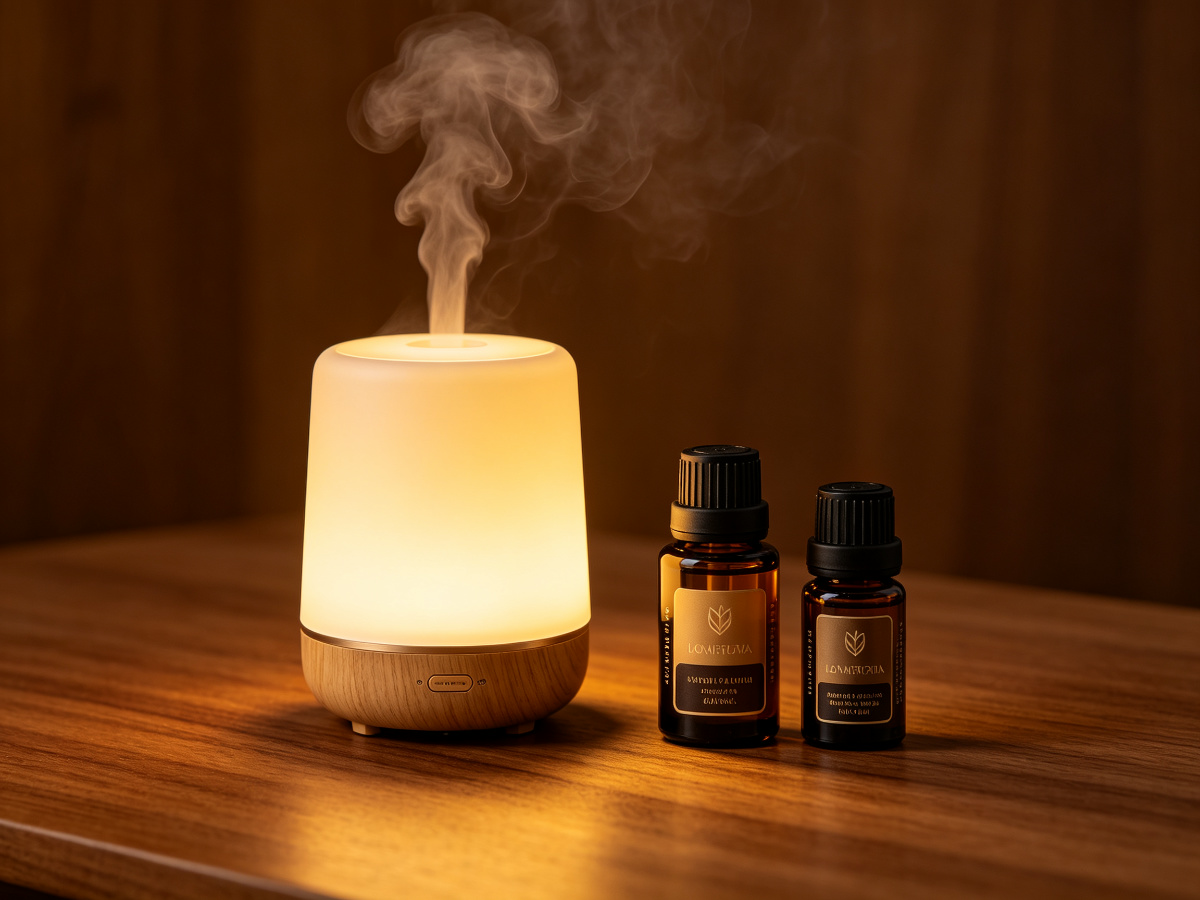
1. Why Private Label Is the Best Entry for Brands
Diffuser private label (OEM/ODM) lets brands launch differentiated products quickly without building a factory. Compared with developing from zero, private labeling shortens time-to-market and lowers initial investment. What is more, mature contractors usually have complete product lines and technical reserves, offering everything from appearance design and function customization to packaging execution.
Take AAOEM as an example: we have deep experience in cosmetics and personal care, with diffuser projects covering ultrasonic and heated diffusion technologies to meet different price points and scenarios. Whether you are a startup or an established company, private label helps you respond to market changes and take the lead.
2. Which Diffuser Factory Is Good? Core Evaluation Dimensions
- Certifications: a proper contractor should hold ISO 22716 (cosmetics GMP), GMPC, CE and FCC. These certificates are both a quality guarantee and your passport for export.
- R&D capability: check whether the factory has independent structural design, electronic engineering and appearance design teams. Strong ODM vendors offer differentiated solutions, not simple public-mold copies.
- Production scale and equipment: review automation level, injection workshop and clean assembly lines. Capacity directly affects lead time, especially in peak season.
- Cases and reputation: ask for past brand cases (sensitive info removed) and contact existing clients for real feedback where possible.
Also, audit on site or by video, focusing on production environment, material storage and QC processes.
3. How Much Does Diffuser Customization Cost? Budget Guide
| Cost item | Description | Typical range (RMB) |
|---|---|---|
| Mold fees | Shell and internal structure tooling; public molds save this | 5,000 – 50,000 per set |
| R&D fees | ODM design and sampling testing | 3,000 – 20,000 |
| Sample fees | Prototypes or pilot samples (deductible from bulk) | 500 – 3,000 per unit |
| Certification fees | CE, FCC, RoHS, etc. | 5,000 – 30,000 per item |
| Packaging fees | Cartons, manuals, label design and printing | 2,000 – 10,000 per design |
Typically, a standard ultrasonic diffuser has an MOQ of 500–1,000 units, with unit price varying by function and material. A public mold plus standard configuration keeps startup cost around RMB 30,000–50,000; a fully customized program needs RMB 100,000+. Clarify what the quotation includes before signing to avoid later add-ons.
4. How to Choose a Diffuser Contractor: Avoid These Five Traps
- Price only: low prices usually mean downgraded materials or rough workmanship, sending complaint rates up.
- Ignoring safety certifications: exported products without CE/FCC face customs detention or legal risk.
- Not verifying real capacity: some traders pose as factories and re-order, causing delivery chaos.
- Skipping pilot runs: going straight to mass production with a design defect causes huge losses.
- Vague contracts: IP ownership, acceptance standards and liability are not clearly defined.
Prefer factories with cosmetics or small-appliance OEM backgrounds: a diffuser combines liquid (essential oil) with electronics, and cross-domain experience matters.
5. What Is the Diffuser Wholesale Price? 5 Pricing Factors
- Technology type: ultrasonic (needs water) usually costs more than heated diffusion (no water).
- Shell material: ABS/PP plastic is most economical; solid wood or ceramic raises cost sharply.
- Extra functions: Bluetooth, timer, smart sensing and LED mood light all add to the BOM.
- Order volume: higher volume lowers the share of mold and management costs.
- Packaging and accessories: premium gift boxes and bundled oils raise per-unit value.
For a common 300ml ultrasonic diffuser, wholesale price is roughly RMB 30–80 per unit (excluding oil), depending on configuration and order size. Ask for tiered pricing and compare at least three suppliers.
6. Practical Advice for Working with a Diffuser Factory
- Are you a factory or a trader? Can you provide your business license and real factory photos?
- What is the MOQ? What are the lead times for samples and bulk separately?
- Do you support ODM customization? Can you protect appearance-design patents?
- Which certifications do your products hold? Can you provide test reports?
- What is your after-sales policy? How are quality issues compensated?
- Do you support private labeling (logo printing/engraving)? Do you provide packaging design help?
Also sign a detailed manufacturing agreement covering IP, confidentiality and acceptance standards. For professional guidance, browse our Knowledge Center for more industry insight, or Contact Us directly.
7. Conclusion: Seize the Diffuser Private Label Opportunity Now
Diffuser private label is not just contract manufacturing — it is an extension of your brand strategy. With the right factory, you get one-stop support from idea to mass production. Remember, price is not the only criterion: quality, certification and long-term service are the foundations of a lasting brand. If you are looking for a professional OEM/ODM partner, AAOEM (aaoem.com) offers rich industry experience and a strict quality system to help you build a hit diffuser. Act now and let your brand stand out in the scent economy.
Ready to Start Your AAOEM Project?
Get a free quote within 24 hours. Low MOQ, global shipping, ISO 22716 certified.
Get Free Quote