Aroma Diffuser Custom: Your 2026 B2B Guide to OEM/ODM Manufacturing
Welcome to the definitive guide for brand owners and procurement managers looking to launch or expand their aroma diffuser custom product line. In 2026, the global home fragrance market continues to surge, driven by consumer demand for wellness, ambiance, and personalized scent experiences. Whether you are a cosmetics brand, a hotel chain, or an entrepreneur, sourcing a private label aroma diffuser requires a strategic partner who understands design, engineering, certification, and logistics. This guide will walk you through the entire OEM/ODM process, from choosing the right diffuser type to negotiating MOQs and ensuring compliance with international standards. At aaoem, we specialize in turnkey manufacturing for perfume, skincare, and personal care, and we are here to help you navigate the complexities of custom aroma diffuser production.
Why Custom Aroma Diffusers Are a High-Margin Opportunity in 2026
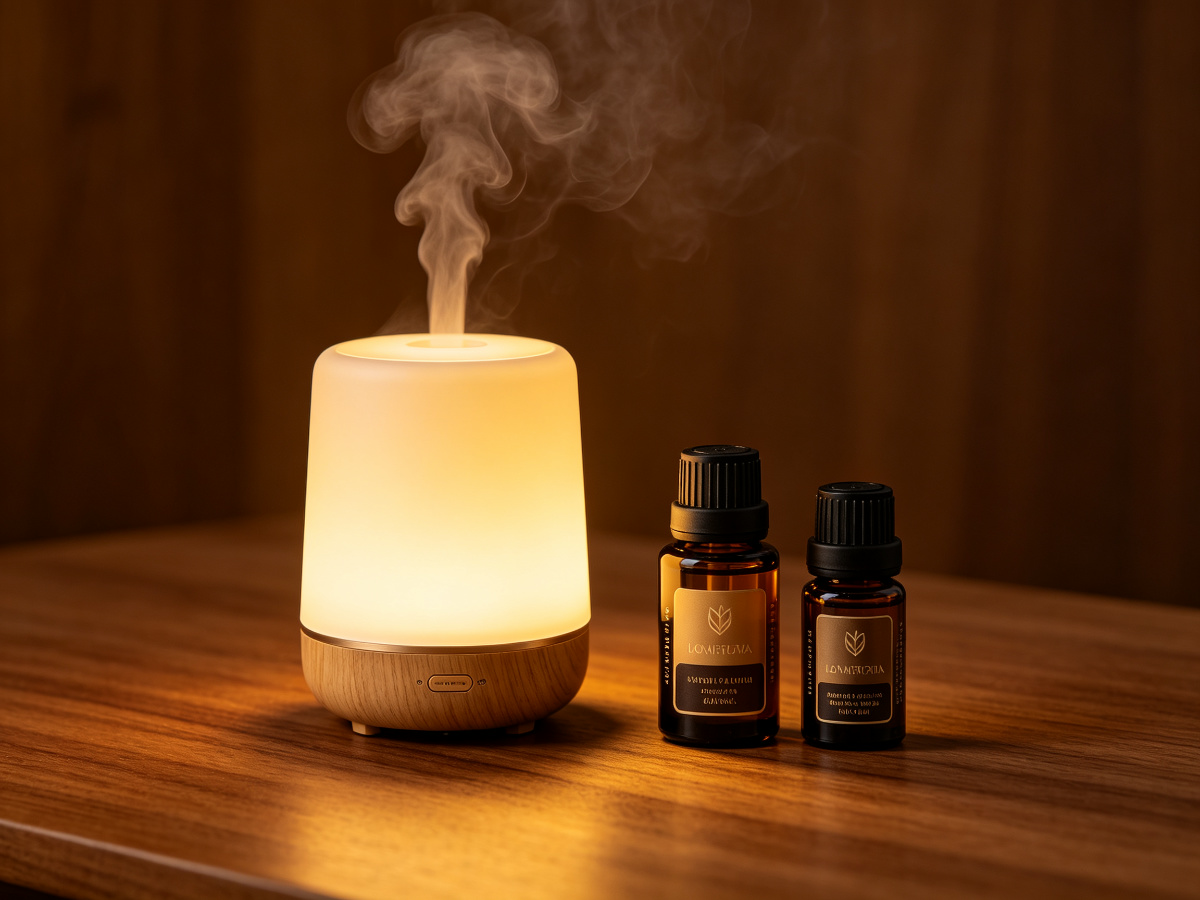
The aroma diffuser market is projected to grow at a CAGR of over 8% through 2030, with ultrasonic and nebulizing technologies leading the way. For B2B buyers, offering a custom aroma diffuser allows you to differentiate your brand, increase customer lifetime value, and tap into the booming wellness economy. Unlike generic white-label products, a custom diffuser can be tailored in shape, color, material, mist output, and even scent pairing, creating a cohesive brand experience. Moreover, diffusers are often used with essential oils, opening opportunities for cross-selling private label oil blends. As you consider your product roadmap, think beyond a single SKU: a well-designed diffuser can anchor a entire home fragrance collection.
For those new to the category, a common question is whether you can add essential oils directly to any diffuser. The answer depends on the technology: ultrasonic diffusers are designed for water-soluble essential oils, while nebulizing diffusers use pure oils without water. We will explore these differences later. If you are also curious about room coverage, radiation safety, or usage during pregnancy, we address those concerns in the sections below. But first, let's dive into the types of diffusers and how to choose the right one for your market.
Types of Aroma Diffusers: Ultrasonic vs. Nebulizing vs. Heat
Before you request a quote, you must decide which diffuser technology aligns with your target audience and price point. The three main categories are:
- Ultrasonic Diffusers: These use high-frequency vibrations to create a fine mist from water and essential oils. They are the most popular for home use due to their affordability, quiet operation, and added humidity benefits. Ideal for mass-market retail, gift sets, and hotel amenities.
- Nebulizing Diffusers: These use an air pump to atomize pure essential oils without water or heat, preserving the oil's therapeutic properties. They are favored by aromatherapy purists and luxury spas. Higher price point, but strong margins.
- Heat Diffusers: These use gentle heat to evaporate oils. They are less common but can be a niche option for specific designs. Often used in car diffusers or small plug-ins.
When you work with an OEM/ODM partner like aaoem, you can customize the internal mechanism, tank capacity, and outer housing. For example, if your brand targets the hotel industry, you might opt for a large-capacity ultrasonic diffuser with a timer and auto-shutoff, designed for lobby or suite use. If you are targeting the luxury home segment, a nebulizing diffuser with a hand-blown glass cover could command a premium price.
Choosing the Right Type for Your Brand
Consider your distribution channel: mass retail, e-commerce, spa, or hospitality. Ultrasonic diffusers are versatile and cost-effective for high-volume orders. Nebulizing diffusers are better for premium, therapeutic positioning. Also, think about the essential oil pairing: if you plan to offer private label oil blends, a nebulizing diffuser can be marketed as a complete aromatherapy system. For more insights on oil compatibility, refer to our Knowledge Center.
The Aroma Diffuser Custom OEM/ODM Process: From Concept to Certification
Launching a custom aroma diffuser involves several stages. Understanding each step will help you set realistic timelines and budgets.
1. Design and Prototyping
Your manufacturer will work with you to create 3D renderings, technical drawings, and a physical prototype. This stage typically takes 2-4 weeks. You can choose from existing molds (ODM) to save costs, or invest in new tooling (OEM) for a unique shape. New mold costs can range from $3,000 to $15,000 depending on complexity.
2. Molding and Tooling
Once the design is approved, the manufacturer will create injection molds for plastic parts or glass molds for glass components. This can take 4-6 weeks. For ultrasonic diffusers, the piezoelectric disc and PCB are critical components that must be sourced from reliable suppliers.
3. Certification and Compliance
Depending on your target market, your diffuser must meet various certifications. Common ones include CE, RoHS, FCC, and UL for electrical safety. For the US, FDA registration may be required if the diffuser is marketed with therapeutic claims. For cosmetics-adjacent products, ISO 22716 (GMP) ensures good manufacturing practices. aaoem's facilities are ISO 22716 and GMP certified, ensuring your products meet global standards. Always request test reports and certificates before mass production.
4. Mass Production and Quality Control
After pre-production samples are approved, mass production begins. Typical lead time is 30-45 days for standard orders, but can be longer during peak seasons (e.g., Q4). Quality control includes functional testing, aging tests, and packaging inspection. Ensure your supplier has a dedicated QC team and offers third-party inspection.
5. Packaging and Fulfillment
Custom packaging is a key branding element. You can choose from gift boxes, eco-friendly materials, or travel cases. Your manufacturer should handle labeling, barcoding, and shipping to your warehouse or Amazon FBA. Discuss Incoterms (FOB, CIF, DDP) to clarify responsibilities.
Key Factors in Selecting an Aroma Diffuser Custom Manufacturer
Not all manufacturers are created equal. Here are the critical factors to evaluate:
- Experience and Specialization: Look for a partner with a proven track record in aroma diffusers and small electrical appliances. aaoem, for example, has extensive experience in cosmetics and personal care, and we have expanded into home fragrance to offer a holistic brand solution.
- MOQ (Minimum Order Quantity): MOQs for custom diffusers typically range from 1,000 to 5,000 units for OEM, and as low as 500 units for ODM with existing molds. Negotiate based on your initial budget and scaling plans.
- Certifications: Ensure the factory holds ISO 9001, ISO 22716, GMP, and relevant product certifications. This protects your brand from liability and ensures market access.
- R&D Capabilities: A strong R&D team can help you innovate with new features like app control, ultrasonic frequency adjustment, or ambient lighting.
- Communication and Project Management: Clear, responsive communication is vital. Request a dedicated project manager and regular updates.
- Pricing Transparency: Get a detailed breakdown of unit cost, mold cost, packaging, and certification fees. Be wary of quotes that seem too low; they may cut corners on components.
For a deeper dive into supplier selection, read our article How to Choose a Reliable Essential Oil D.
Common Mistakes B2B Buyers Make with Custom Aroma Diffusers
Even experienced buyers can fall into traps. Here are pitfalls to avoid:
- Ignoring Certification Requirements: Selling a diffuser without the necessary safety certifications can lead to recalls, fines, and brand damage. Always verify compliance for your target market.
- Underestimating MOQs and Lead Times: Plan for at least 3-6 months from concept to delivery. Rushing can result in quality issues.
- Over-customizing Without Market Validation: While customization is exciting, ensure your design appeals to your target demographic. Test with focus groups if possible.
- Neglecting After-Sales Support: A good manufacturer provides spare parts, technical support, and warranty handling. Discuss these terms upfront.
- Forgetting About Essential Oil Compatibility: If you plan to bundle oils, ensure the diffuser materials (e.g., plastic, glass) are compatible with the oils you intend to use. Some oils can degrade certain plastics.
Additionally, many buyers ask: Can I add essential oils to the diffuser? The answer is yes for ultrasonic and nebulizing diffusers, but always follow the manufacturer's guidelines. For ultrasonic, use water-soluble oils; for nebulizing, use pure oils. Another common query is What room size is suitable? Most home diffusers cover 200-400 square feet, while commercial models can cover 1,000+ square feet. Also, Is there radiation? Is it safe? Ultrasonic diffusers emit negligible electromagnetic fields, far below safety limits. Finally, Does it affect pregnant women? Some essential oils should be avoided during pregnancy; consult a healthcare provider and offer pregnancy-safe blends.
Questions to Ask Your Aroma Diffuser Custom Supplier
When vetting potential partners, ask these questions to gauge their suitability:
- What is your MOQ for custom designs, and what is your MOQ for ODM with existing molds?
- Can you provide certifications (CE, RoHS, FCC, ISO 22716) and test reports?
- What is your typical lead time for samples and mass production?
- Do you offer design and engineering support? What is the cost for new mold development?
- What quality control measures do you have in place?
- Can you handle custom packaging and labeling?
- What are your payment terms? (e.g., 30% deposit, 70% before shipment)
- Do you provide after-sales support and spare parts?
- Can you share references from other B2B clients?
- How do you handle shipping and logistics?
For a comprehensive checklist, visit our Contact Us page to speak with our team. We are happy to guide you through the process.
Pricing Factors and Cost Breakdown for Custom Aroma Diffusers
Understanding cost drivers helps you budget and negotiate. Key factors include:
| Factor | Impact on Cost |
|---|---|
| Type of Diffuser (Ultrasonic vs. Nebulizing) | Nebulizing units are typically 2-3x more expensive due to air pump and precision components. |
| Materials (Plastic, Glass, Metal, Ceramic) | Glass and ceramic increase cost but offer premium aesthetics. |
| Mold Investment (OEM) | $3,000 - $15,000+ depending on complexity and number of parts. |
| Order Quantity | Higher volumes reduce unit cost significantly. |
| Certifications | Testing and certification fees can add $500 - $2,000 per market. |
| Packaging | Custom boxes, inserts, and printing add $0.50 - $3.00 per unit. |
| Features (Timer, LED, App Control) | Each added feature increases PCB and component cost. |
As a rule of thumb, a basic ultrasonic diffuser with custom logo and packaging might cost $8-$15 per unit at 1,000 units, while a premium nebulizing diffuser could range from $25-$60. Always request a detailed quotation.
Essential Oil Pairing and Private Label Kits
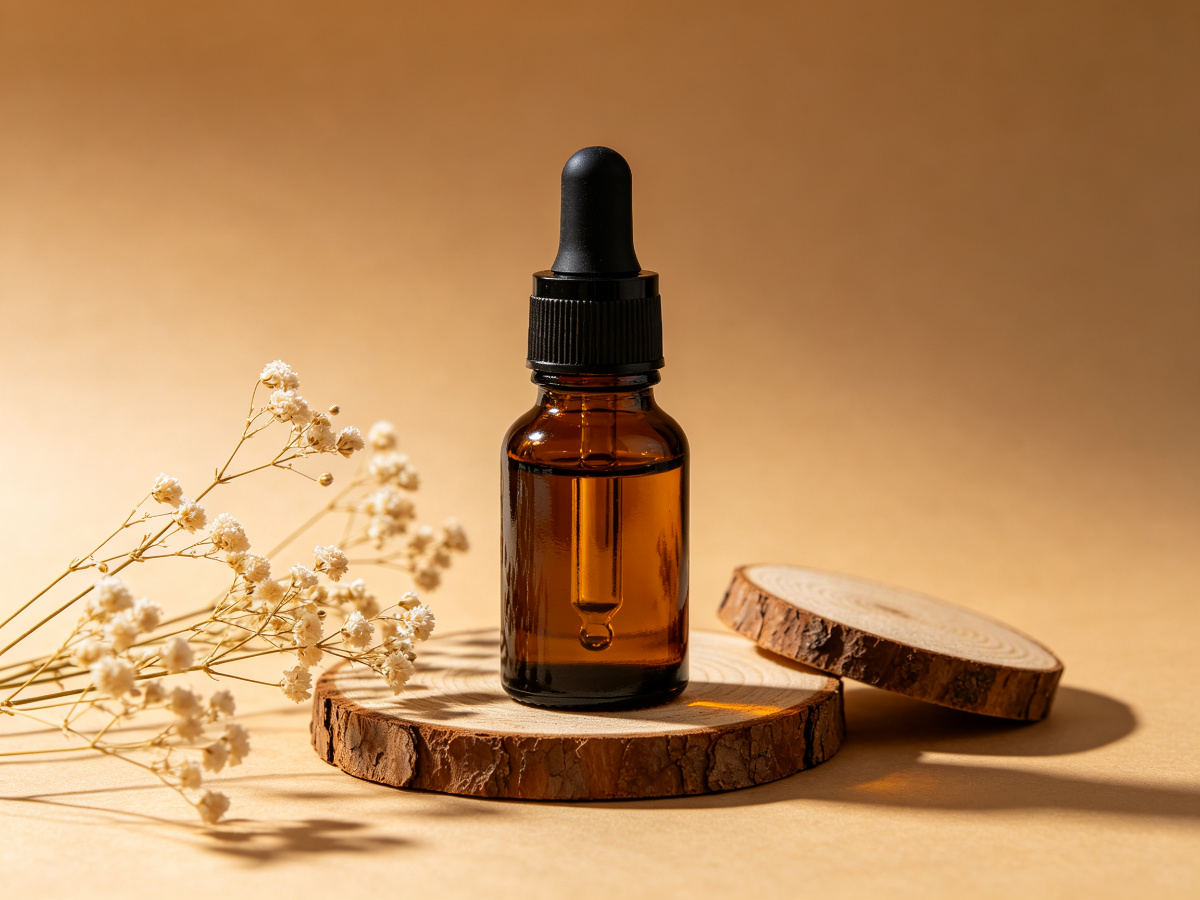
To maximize your aroma diffuser custom offering, consider bundling with private label essential oils. This creates a complete sensory experience and increases average order value. You can develop signature scents that align with your brand identity—whether it's calming lavender for bedtime, invigorating citrus for mornings, or seasonal blends for holidays. aaoem offers private label essential oil blending and filling, so you can source both the diffuser and the oils from one partner. This simplifies logistics and ensures compatibility. For maintenance tips on keeping diffusers clean and functional, see our guide Aroma Diffuser Cleaning & Maintenance: 2026 B2B Guide.
Conclusion: Launch Your Custom Aroma Diffuser with Confidence
Bringing a custom aroma diffuser to market in 2026 is a rewarding venture for B2B buyers who do their homework. By understanding the technology options, navigating the OEM/ODM process, and partnering with a certified manufacturer like aaoem, you can create a product that resonates with consumers and stands out in a crowded market. Remember to address common consumer questions about essential oil compatibility, room size, safety, and pregnancy to build trust. Whether you are targeting hotels, spas, or retail, a well-executed aroma diffuser custom strategy can elevate your brand and drive profitability. Ready to start? Contact Us today to discuss your project, or explore more resources in our Knowledge Center.
For product catalog, quotation, or sampling, please contact us
Contact: SIGE
Email: 27005046@qq.com
WhatsApp / WeChat: +86 15622220825
Website: aaoem.com | Main site: www.8OEM.com