How to Find the Right Aroma Diffuser Bulk Supplier for Your Brand in 2026
Finding a reliable aroma diffuser bulk supplier is critical for brand owners and procurement managers looking to enter or expand in the home fragrance market. With the global aroma diffuser market projected to grow steadily through 2026, sourcing from a trusted partner ensures product quality, timely delivery, and competitive pricing. Whether you're launching a new line or scaling an existing one, this guide will walk you through the key factors, selection process, and common pitfalls when choosing a bulk supplier.
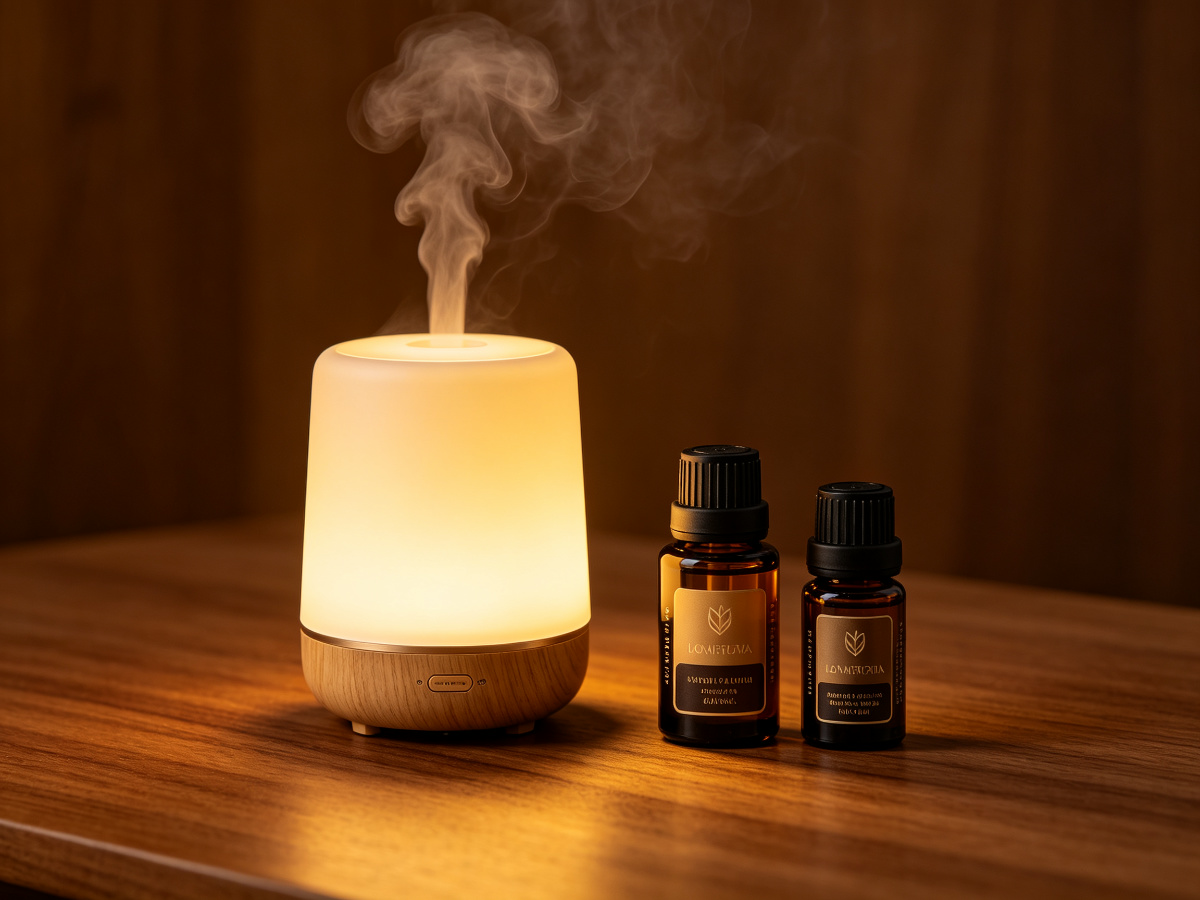
At aaoem, we specialize in OEM/ODM manufacturing for cosmetics and personal care, including aroma diffusers. Our expertise helps brands navigate the complexities of sourcing from China and beyond.
Key Factors to Consider When Evaluating an Aroma Diffuser Bulk Supplier
Before you commit to a supplier, evaluate these critical aspects to ensure a smooth partnership.
1. Manufacturing Capabilities and Product Range
A reputable supplier should offer a variety of diffuser types: ultrasonic, nebulizing, heat-based, and passive. Each type suits different market segments. For example, ultrasonic diffusers are popular for home use due to their quiet operation and built-in humidification, while nebulizing diffusers are preferred for commercial spaces because they don't use water and preserve essential oil integrity.
Consider the room size compatibility: many buyers ask, what room size is an aroma diffuser suitable for?. Suppliers should provide clear coverage specifications, typically ranging from 20 to 100 square meters depending on the model. This information is crucial for end-users and should be included in your product marketing.
2. Certifications and Compliance
Ensure your supplier holds relevant certifications such as ISO 22716 (GMP for cosmetics), CE, RoHS, and FDA registration for electronic devices. These certifications guarantee that products meet international safety and quality standards. For essential oil diffusers, additional certifications like UL or ETL may be required for the North American market.
Safety is a common concern: does an aroma diffuser emit radiation and is it safe?. Ultrasonic diffusers emit negligible electromagnetic radiation, well within safety limits. Suppliers should provide test reports to reassure your customers.
3. OEM/ODM Services and Customization
If you need private label products, choose a supplier with robust OEM/ODM capabilities. This includes custom molding, logo printing, packaging design, and even scent development. For a deeper dive into customization, see our guide: Aroma Diffuser Custom: Your 2026 B2B Guide to OEM/ODM Manufacturing.
Also, consider whether the supplier can pair diffusers with essential oils. Many brands offer kits; check if your supplier can source or blend oils. Read more about this in Can You Add Essential Oils to a Diffuser? 2026 B2B Guide.
4. Production Capacity and Lead Times
Assess the supplier's monthly output to ensure they can meet your order volume. Typical MOQs for aroma diffusers range from 500 to 2,000 units for custom designs, with lead times of 30-45 days after sample approval. For standard models, MOQs can be as low as 100 units, but customization increases both MOQ and lead time.
5. Pricing Factors
Pricing depends on materials, technology, order quantity, and customization. Basic ultrasonic diffusers may cost $5-$15 per unit at bulk, while premium nebulizing models can range from $20-$50. Always request a detailed quotation breakdown to understand cost drivers.

How to Choose the Right Aroma Diffuser Bulk Supplier
Follow this step-by-step approach to select a supplier that aligns with your brand's needs.
- Define Your Requirements: Determine diffuser type, target market, certifications needed, and budget. Consider factors like are aroma diffusers safe for pregnant women?. While generally safe, some essential oils should be avoided; your supplier should provide guidance.
- Research Potential Suppliers: Use platforms like Alibaba, Global Sources, and industry directories. Check supplier profiles, years in business, and client reviews. Visit our Knowledge Center for more sourcing tips.
- Request Samples: Always order samples to evaluate quality, performance, and packaging. Test for noise level, mist output, and build quality.
- Verify Certifications: Ask for copies of ISO 22716, CE, RoHS, and other relevant certificates. Verify their authenticity through issuing bodies.
- Discuss Customization: Clarify your OEM/ODM needs, including logo, color, packaging, and any unique features. Ensure the supplier has in-house design and molding capabilities.
- Negotiate Terms: Discuss MOQ, price, payment terms, lead time, and shipping. Establish a clear contract with penalties for delays or quality issues.
- Conduct a Factory Audit: If possible, visit the factory or hire a third-party inspector to assess production conditions and quality control.
For maintenance and after-sales support, refer to Aroma Diffuser Cleaning & Maintenance: 2026 B2B Guide.
Common Mistakes to Avoid When Sourcing Aroma Diffusers
- Choosing on Price Alone: Low prices often mean compromised quality or lack of certifications. Balance cost with reliability.
- Ignoring MOQ Constraints: Some suppliers impose high MOQs that can strain your inventory. Look for flexible MOQs, especially for new brands.
- Overlooking Shipping Costs: Factor in logistics, import duties, and insurance. These can significantly impact your landed cost.
- Not Testing Samples Thoroughly: A sample may not represent mass production. Test multiple units from different batches.
- Failing to Secure Intellectual Property: Ensure your designs and trademarks are protected with a non-disclosure agreement.
- Neglecting After-Sales Support: A good supplier provides warranty, spare parts, and technical support. Check their policy before committing.
Many buyers ask which aroma diffuser brand offers the best value for money?. While brand reputation matters, a supplier's manufacturing excellence and customization options often deliver better long-term value.
Questions to Ask Your Potential Aroma Diffuser Bulk Supplier
Use this checklist during supplier discussions to uncover critical information.
| Question | Why It Matters |
|---|---|
| What certifications do your products have? | Ensures compliance with international standards and builds customer trust. |
| What is your MOQ for custom designs? | Helps you plan inventory and investment. |
| What is your production lead time? | Affects your launch timeline and stock replenishment. |
| Can you provide samples before mass production? | Allows you to assess quality and make adjustments. |
| Do you offer OEM/ODM services? | Essential for private label branding. |
| What are your payment terms? | Impacts cash flow; typical terms are 30% deposit, 70% before shipment. |
| How do you handle quality issues? | Reveals their commitment to after-sales support. |
| Can you assist with essential oil pairing? | Adds value to your product offering. |
For more insights on selecting a manufacturer, read How to Choose a Reliable Essential Oil Diffuser Manufacturer.
Conclusion: Partnering with the Right Aroma Diffuser Bulk Supplier
Selecting a reliable aroma diffuser bulk supplier is a strategic decision that impacts your brand's reputation and profitability. By focusing on certifications, customization capabilities, production capacity, and clear communication, you can secure a partnership that supports your growth. Remember to ask the right questions, avoid common mistakes, and consider the specific needs of your target market. For personalized assistance, Contact Us at aaoem—we're here to help you navigate the sourcing process and bring your vision to life.
For product catalog, quotation, or sampling, please contact us
Contact: SIGE
Email: 27005046@qq.com
WhatsApp / WeChat: +86 15622220825
Website: aaoem.com | Main site: www.8OEM.com